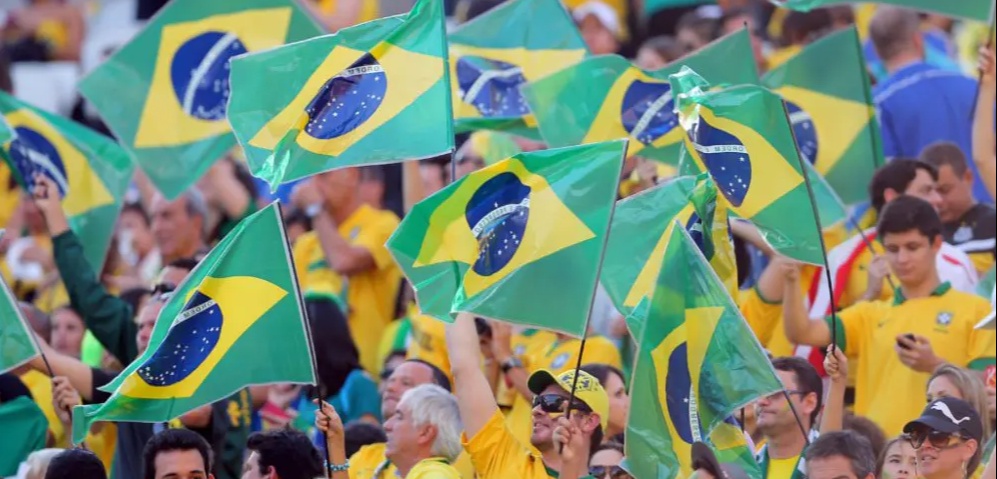
In Brazil, Act No. 3563/2024, which was considered by the Scientific and Technical Committee of the Federal Senate at the beginning of the year, called for a complete ban on advertising and sponsorship by domestic lottery operators. Recently, the Award and Lottery Secretariat (SPA), attached to the Brazilian Ministry of Finance, publicly objected to Act No. 3563/2024.
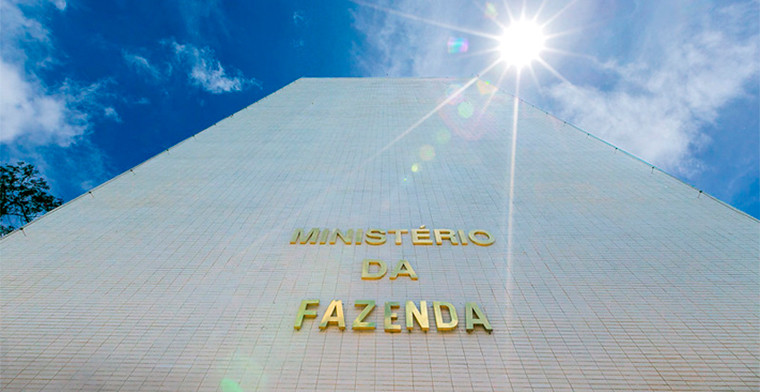
In an interview with the media, SSPA Secretary-General Daniele Correa Cardoso stated that a complete ban on advertising in the Brazilian lottery market might not result in a restriction on card-holders that might make it more difficult for the population to distinguish between legally operating companies, as policymakers had hoped. The SPA considers advertising of licensed companies as an important tool for protecting users in Brazil ‘ s transition to regulated markets. According to Cardoso, restricting the advertising of licensed companies may push users towards illegal companies, “commercial propaganda of licensed platforms is a major tool for users to distinguish between legal and illegal operators”.
The Brazilian Government has taken a number of measures to combat illegal gambling companies in the country, especially in the first year of market regularization. SPA reports that over 25,000 illegal online platforms have been blocked jointly with the National Telecommunications Agency. In addition, the regulators require the Central Bank to prevent payment agencies from handling financial transactions related to unlicensed websites. The regulator noted that an in-depth demographic statistics system had been established and that a centralized self-exclusion mechanism had been successfully implemented to improve the responsible behaviour of licensed operators. As the 2026 World Cup approaches, the SPA plans to launch a new phase of regulatory review in the digital environment. The key is that online operators who are licensed in countries hosting the World Cup but are illegal in Brazil may attract Brazilian consumers through advertising.
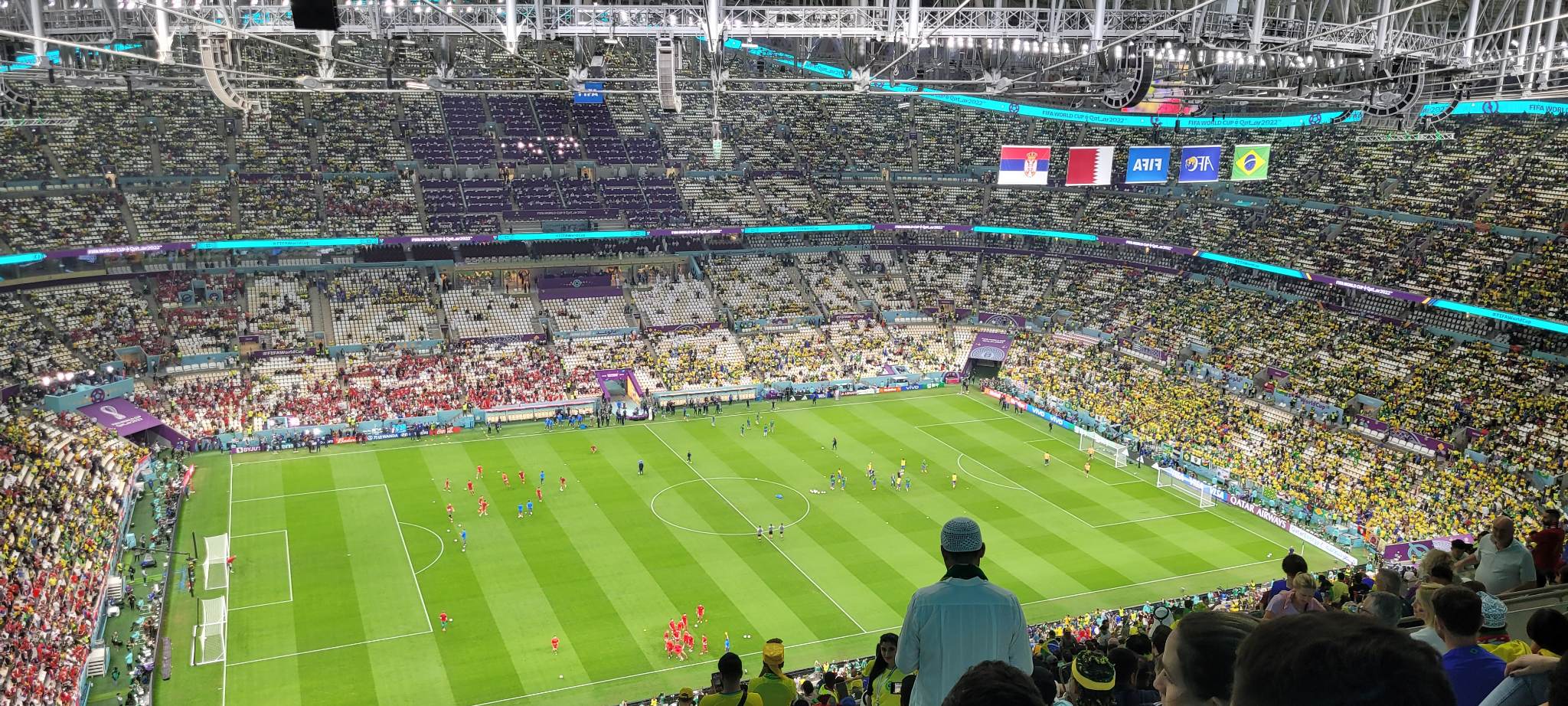
As a result, regulators have included the strengthening of red and online regulation in their priorities for the coming year. These regulatory activities will include the establishment of a technical cooperation agreement with the National Committee for Self-regulation of Advertising and the Digital Commission of Brazil, aimed at automatically detecting and immediately eliminating non-conforming advertisements, thus guaranteeing the credibility of the Brazilian licensed market before the World Cup.